

Discover the Surprising Health Benefits of Acupuncture Therapy
Acupuncture has been practiced for thousands of years, yet many people still view it as an alternative or fringe therapy. Recent research and growing clinical experience show that acupuncture offers a range of health benefits that go beyond simple pain relief. This ancient technique can support overall wellness, improve specific health conditions, and enhance quality of life. If you are curious about how acupuncture might help you, this post will explore its surprising health benefits backed by evidence and practical examples.

How Acupuncture Works
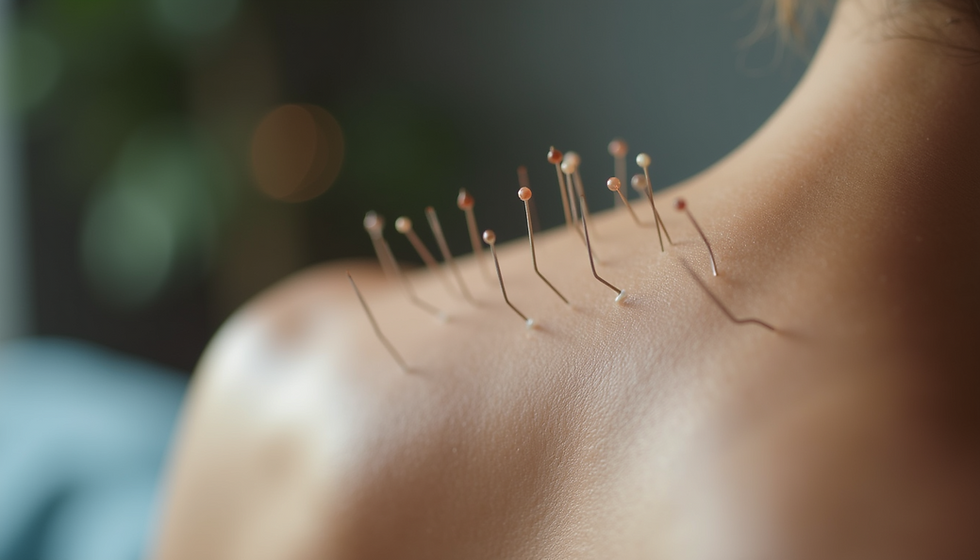
Acupuncture involves inserting very thin needles into specific points on the body. These points lie along pathways called meridians, which traditional Chinese medicine believes carry vital energy, or Qi. Stimulating these points aims to restore balance and promote the body's natural healing processes.
Modern science suggests acupuncture may work by:
Triggering the release of endorphins and other natural painkillers
Improving blood flow and reducing inflammation
Modulating the nervous system to reduce stress and anxiety
Influencing the immune system to support healing
Understanding these mechanisms helps explain why acupuncture can affect a wide range of health issues.
Pain Relief and Management
One of the most well-known benefits of acupuncture is pain relief. Research shows acupuncture can help with:
Chronic back and neck pain
Osteoarthritis, especially in the knees
Migraines and tension headaches
Fibromyalgia and other chronic pain conditions
For example, a 2017 review published in JAMA found acupuncture provided significant pain relief for chronic pain conditions compared to no treatment or standard care. Many patients report reduced pain intensity and improved mobility after a series of acupuncture sessions.
Stress Reduction and Mental Health Support
Acupuncture can also help reduce stress and improve mental well-being. It influences the nervous system by lowering cortisol levels and promoting relaxation. People who receive acupuncture often describe feeling calmer and more balanced.
Studies have found acupuncture beneficial for:
Anxiety disorders
Depression symptoms
Insomnia and sleep disturbances
For instance, a study in the Journal of Alternative and Complementary Medicine showed acupuncture improved anxiety scores in patients undergoing stressful medical procedures. This calming effect can support mental health alongside other treatments.
Enhancing Digestive Health
Digestive problems like irritable bowel syndrome (IBS), acid reflux, and constipation may respond well to acupuncture. By stimulating specific points, acupuncture can regulate digestive function and reduce symptoms such as bloating, cramps, and nausea.
Clinical trials have reported improvements in:
IBS symptom severity
Gastric motility and acid secretion
Nausea caused by chemotherapy or pregnancy
This makes acupuncture a useful complementary approach for people struggling with chronic digestive issues.
Supporting Immune Function
Acupuncture may strengthen the immune system by enhancing the body's natural defenses. Research indicates it can increase white blood cell activity and improve resistance to infections.
For example, some studies suggest acupuncture helps reduce the frequency and severity of colds and flu. It may also support recovery after surgery or illness by promoting tissue repair and reducing inflammation.
Improving Respiratory Conditions
People with respiratory problems such as asthma, allergies, and sinusitis have found relief through acupuncture. The therapy can reduce airway inflammation, ease breathing, and decrease symptoms like congestion and coughing.
Clinical evidence shows acupuncture may:
Lower asthma attack frequency
Reduce allergy symptoms
Improve sinus drainage and reduce headaches
These benefits can improve quality of life for those with chronic respiratory conditions.
Boosting Energy and Reducing Fatigue
Many patients report feeling more energetic and less fatigued after acupuncture treatments. This may be due to improved circulation, better sleep, and reduced stress.
Acupuncture has been used to help people with:
Chronic fatigue syndrome
Cancer-related fatigue
General low energy levels
By supporting the body's balance and healing, acupuncture can help restore vitality.
Practical Tips for Trying Acupuncture
If you are considering acupuncture, here are some tips to get the most benefit:
Choose a licensed and experienced acupuncturist
Discuss your health concerns and goals openly
Commit to a series of treatments for best results
Combine acupuncture with other healthy lifestyle habits
Monitor your response and communicate with your practitioner
Acupuncture is generally safe when performed by trained professionals. Side effects are usually mild and temporary, such as slight bruising or soreness.
What to Expect During a Session
A typical acupuncture session lasts 30 to 60 minutes. The practitioner will assess your health, insert needles at specific points, and leave them in place for 15 to 30 minutes. Many people feel relaxed or even energized afterward.
You do not need to prepare extensively, but wearing loose clothing and staying hydrated can help.
Who Can Benefit from Acupuncture
Acupuncture suits a wide range of people, including:
Those with chronic pain or health conditions
Individuals seeking natural stress relief
People looking to complement conventional treatments
Anyone interested in improving overall wellness
Children, pregnant women, and older adults can also receive acupuncture safely with proper care.

Comments